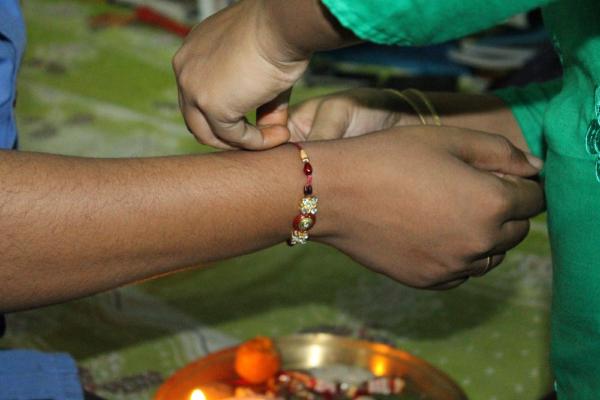
There is a moment on the full moon of Shravana, repeated in millions of homes across Bhārat on the same morning, when a sister takes a coloured thread and ties it around her brother’s wrist. He gives her a gift. She feeds him something sweet. It takes perhaps a minute, and behind that minute stand centuries of stories about gods, queens, poets, and the peculiar strength of a knot that holds nothing together but a promise.
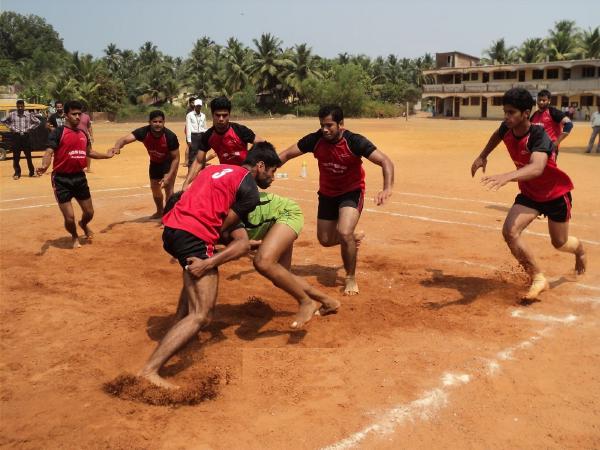
As we write this, the Indian Premier League 2026 is in full swing, building toward its finale. Cricket grips Bhārat like nothing else, and her men’s and women’s teams have won on every international stage, from the men’s 2025 Champions Trophy and 2026 T20 World Cup to the women’s maiden ODI World Cup title in 2025. But cricket did not originate here. Kabaddi, polo, kho-kho, and kushti did, born from this land’s warrior traditions and village rhythms, and now played far beyond her borders.
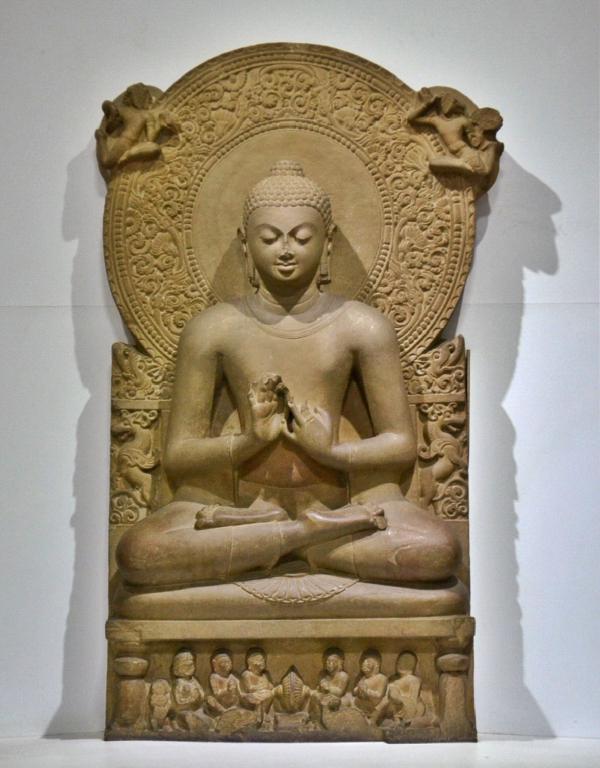
The full moon of the month of Vaisakha carries a special meaning for over five hundred million people around the world. Buddha Purnima, known in other traditions as Vesak, marks not one but three pivotal moments in the life of Siddhartha Gautama: the day he was born, the day he attained enlightenment under a pipal tree in Bodh Gaya, Bihar, and the day he passed from this world entirely. That all three are said to have occurred on the same full moon is considered no coincidence. It is called the Thrice Blessed Festival, and the moon that rises over Bhārat on this night carries the weight of all three.
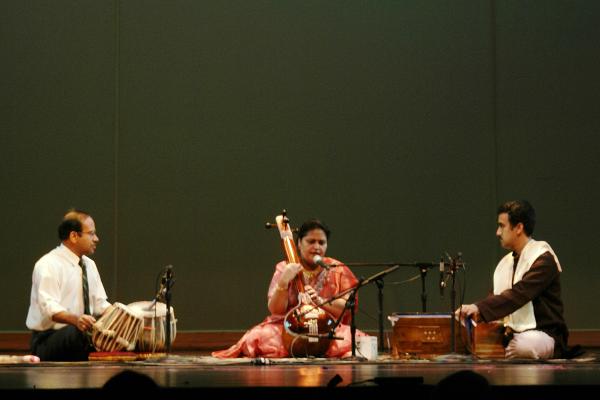
There is a raga in Indian classical music called Bhairavi that is almost always performed last, as a kind of farewell. Musicians say it carries the feeling of parting, of something beautiful drawing to a close. What Bhairavi reveals is something essential about classical music in Bhārat: every aspect of this tradition, from the choice of notes to the time of performance, is designed to speak to a specific part of human experience. This is music built not to entertain but to move, to illuminate, and sometimes, to say goodbye in the most beautiful way possible.
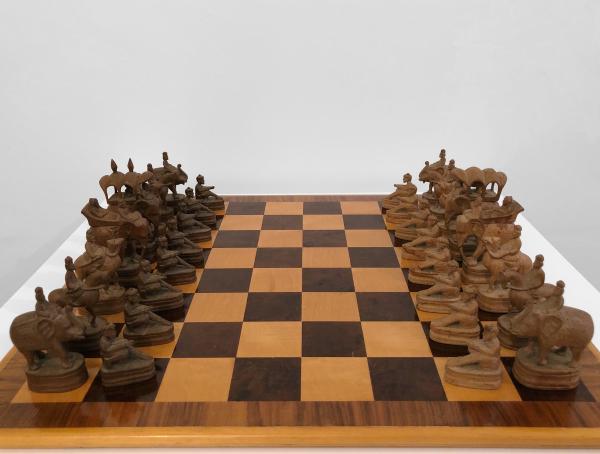
As we write this, eight of the world’s greatest chess players are locked in battle at a resort in Pegeia, Cyprus, for the right to challenge Gukesh Dommaraju, the reigning World Chess Champion. The 2026 FIDE Candidates Tournament is midway through its fourteen rounds, and already producing the kind of drama that makes the game irresistible. But few of the spectators watching online will pause to consider that this game, this ancient contest of kings and strategy, was born in Bhārat, perhaps as many as 1,500 years ago, in the courts of the Gupta Empire.
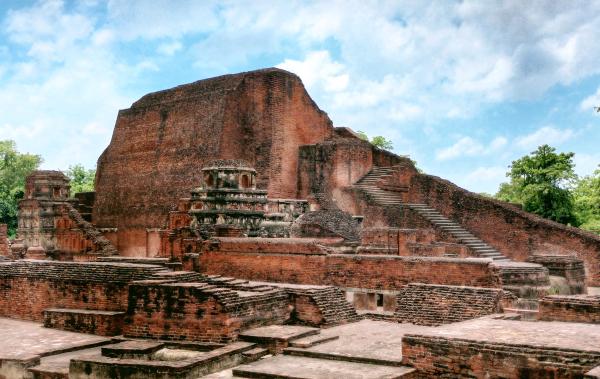
For thousands of years, Bhārat has been a land where people cared deeply about learning. Knowledge was not something kept inside classrooms or textbooks, it was shared in open courtyards, discussed during long walks, and passed from teacher to student with great respect. Long before modern universities appeared elsewhere, Bhārat had already created remarkable centers of study that drew students from many different lands. Among these, four ancient universities, or vishvavidyalaya, stand out for their size, influence, and lasting legacy.
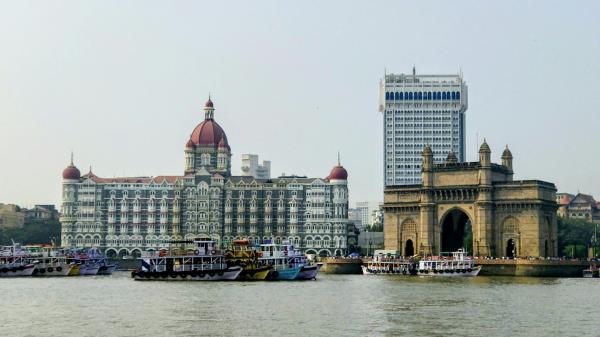
Mumbai, Bhārat’s financial capital and one of the most populous cities in the world, is a bustling metropolis with a fascinating history. Before it became the vibrant city we know today, Mumbai was an archipelago of seven islands, each with its own unique identity and story. These islands, over centuries, were gradually fused together through land reclamation to form the present-day Mumbai. Let’s delve into the history of these seven islands and explore how they transformed into a single urban expanse.
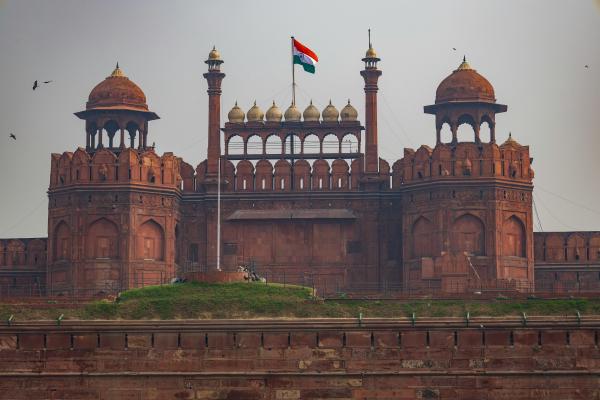
Delhi, the heart of Bhārat, is a vibrant city where ancient history meets modernity. Built on the legendary foundation of Indraprastha from the Mahabharata era and the remnants of at least seven historical cities, each contributing to its rich cultural heritage. Let’s journey through time and explore these seven cities that form the foundation of modern Delhi.
Most countries make do with one name. Some with two. Bhārat has collected at least five, and she has never quite thrown any of them away. Two of them sit side by side in the opening line of her Constitution, one lives on in Urdu poetry and Bollywood songs, and two more survive mostly in scripture and cosmology. Each name arrived from a different direction, carrying a different idea of what this land is, and the argument over which one should come first is very much alive today.